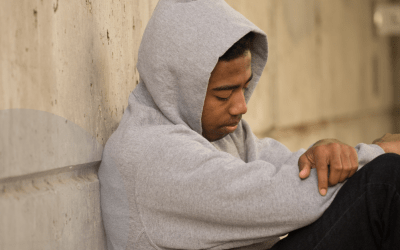
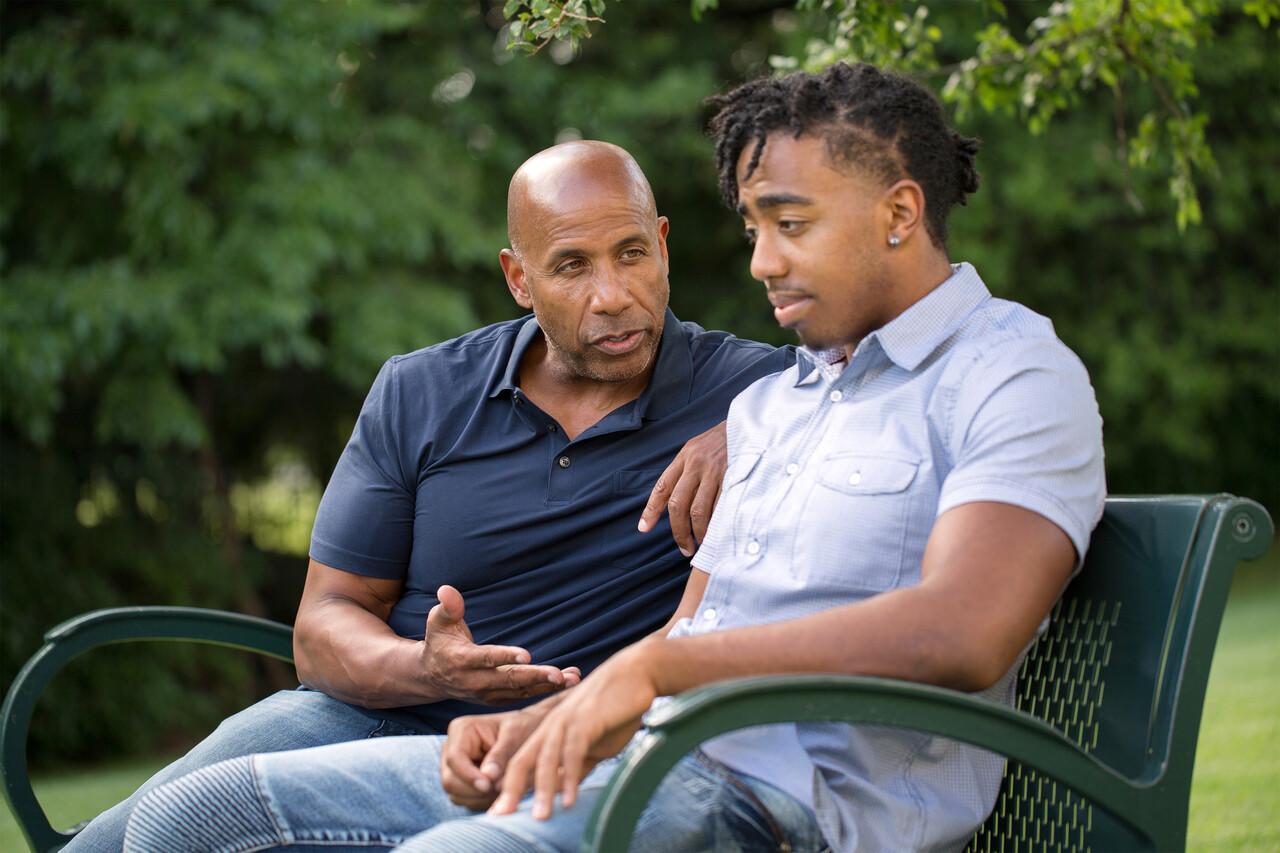
For generations, many people in Black communities have heard some version of this statement. It reflects one of the most persistent forms of mental health stigma in Black communities: the belief that therapy is only for people experiencing a crisis, a mental breakdown, or severe mental illness.
In reality, therapy can help people manage stress, process trauma, strengthen relationships, and develop healthy coping skills long before emotional challenges reach a breaking point. Yet historical mistreatment, cultural misunderstandings, and a lack of trust in healthcare systems continue to prevent many people from seeking support.
Understanding therapy beyond the stigma begins with recognizing what therapy actually is, who it can help, and why culturally responsive mental health support matters.
Why Mental Health Stigma Still Prevents People from Seeking Therapy
Mental health stigma often shows up in subtle ways. Some people believe therapy is only for individuals with severe mental health conditions. Others worry that seeking help will make them appear weak or incapable of handling life’s challenges.
These beliefs can prevent people from accessing support when they need it most. As a result, emotional pain, stress, anxiety, grief, and trauma often go unaddressed for years.
At the same time, many Black and Brown communities carry valid concerns about healthcare systems that have historically failed to provide equitable treatment. Misdiagnoses, cultural misunderstandings, and a lack of representation have contributed to deep distrust.
However, recognizing these realities does not mean we should abandon mental healthcare altogether. Instead, it highlights the importance of expanding access to culturally responsive care that acknowledges lived experiences and builds trust.
Therapy Is Not One-Size-Fits-All
One of the biggest misconceptions surrounding therapy is that it looks the same for everyone. In reality, therapy is highly individualized because people process experiences, emotions, trauma, and stress differently.
What works for one person may not work for another.
Think of therapy like a tailor-made suit rather than a one-size-fits-all outfit. A skilled therapist works with each individual to understand their unique experiences, goals, and challenges.
Therapy is not about “fixing” people. Instead, it helps individuals build skills, gain perspective, improve communication, and navigate difficult moments with greater confidence and self-awareness.
Just as physical healthcare is personalized, mental healthcare should be too.
How Trauma Becomes Normalized in Underserved Communities
In many underserved communities, trauma becomes so common that it begins to feel normal.
When a young person witnesses violence, loses a loved one, or experiences chronic instability, the focus often shifts immediately to survival. People are expected to keep moving forward without being given the opportunity to process what happened or how it affected them.
Over time, living in crisis mode can become the baseline.
As a result, emotional distress often goes unnoticed because everyone around you is carrying similar burdens. What should be recognized as trauma may instead be viewed as simply part of everyday life.
However, normalizing trauma does not make it less harmful. Unprocessed experiences can affect relationships, decision-making, emotional regulation, physical health, and overall well-being.
Therapy provides a space to examine those experiences, process them honestly, and develop healthier ways to cope.
Why Black Men Often Struggle to Talk About Mental Health
Many boys and men grow up hearing messages like “fix your face,” “man up,” or “suck it up.”
While these phrases may be intended to encourage resilience, they often teach young men to suppress fear, sadness, vulnerability, and emotional pain.
Those feelings do not disappear. Instead, they frequently emerge in other ways, including anger, isolation, substance use, or emotional withdrawal.
As a result, many men carry enormous emotional weight without ever receiving the tools to process it.
Therapy helps challenge the idea that emotional expression is a weakness. It creates space for boys and men to understand their emotions, communicate more effectively, and develop healthier coping strategies.
Most importantly, therapy helps people embrace their full humanity rather than conforming to unrealistic expectations about masculinity.
Changing the way we approach mental health is essential if we want to create healthier futures for ourselves, our children, and our communities.
Community-Based Mental Health Support Builds Trust
For many people, therapy does not immediately feel accessible or relatable.
That is why community-based mental health support matters.
At GRO Community, we believe healing should happen where life happens. Whether support takes place in schools, parks, through music, or through creative forms of expression, meaningful connections often begin in familiar environments.
Meeting people where they are helps reduce barriers, build trust, and create opportunities for authentic conversations.
In some cases, a therapist may become one of the few consistent and trusted adult figures in a young person’s life. Those relationships can create powerful opportunities for growth, healing, and mentorship.
Learn more about GRO Community’s programs and services to see how community-centered support helps young people build healthier futures.
Healing Begins With Honesty and Connection
You cannot get help for a level-nine pain if you tell the world it is only a level three.
In communities where survival often requires strength and resilience, many people learn to minimize their pain. While that response may help someone get through difficult circumstances, it can also become a barrier to healing.
We understand that opening up to a therapist takes time. Trust is earned, not assumed.
However, healing often begins when people allow themselves to acknowledge what they are truly carrying.
Ask yourself this: If your emotional pain feels like a nine, why continue telling yourself and everyone around you that it is only a three?
The next time you are struggling, consider practicing radical honesty with yourself and someone you trust. You may discover that vulnerability creates space for healing, not only for you, but also for those around you.
Moving Beyond Mental Health Stigma Together
Addressing mental health stigma in Black communities requires more than awareness. It requires trusted relationships, culturally responsive care, and spaces where people feel safe enough to tell the truth about what they are experiencing.
Therapy is not reserved for moments of crisis. It is a tool that helps people process life, strengthen relationships, build resilience, and support long-term emotional wellness.
When we challenge misconceptions about therapy and create pathways to accessible support, healing becomes possible for individuals, families, and entire communities.
For additional mental health resources and education, visit the National Alliance on Mental Illness (NAMI).