
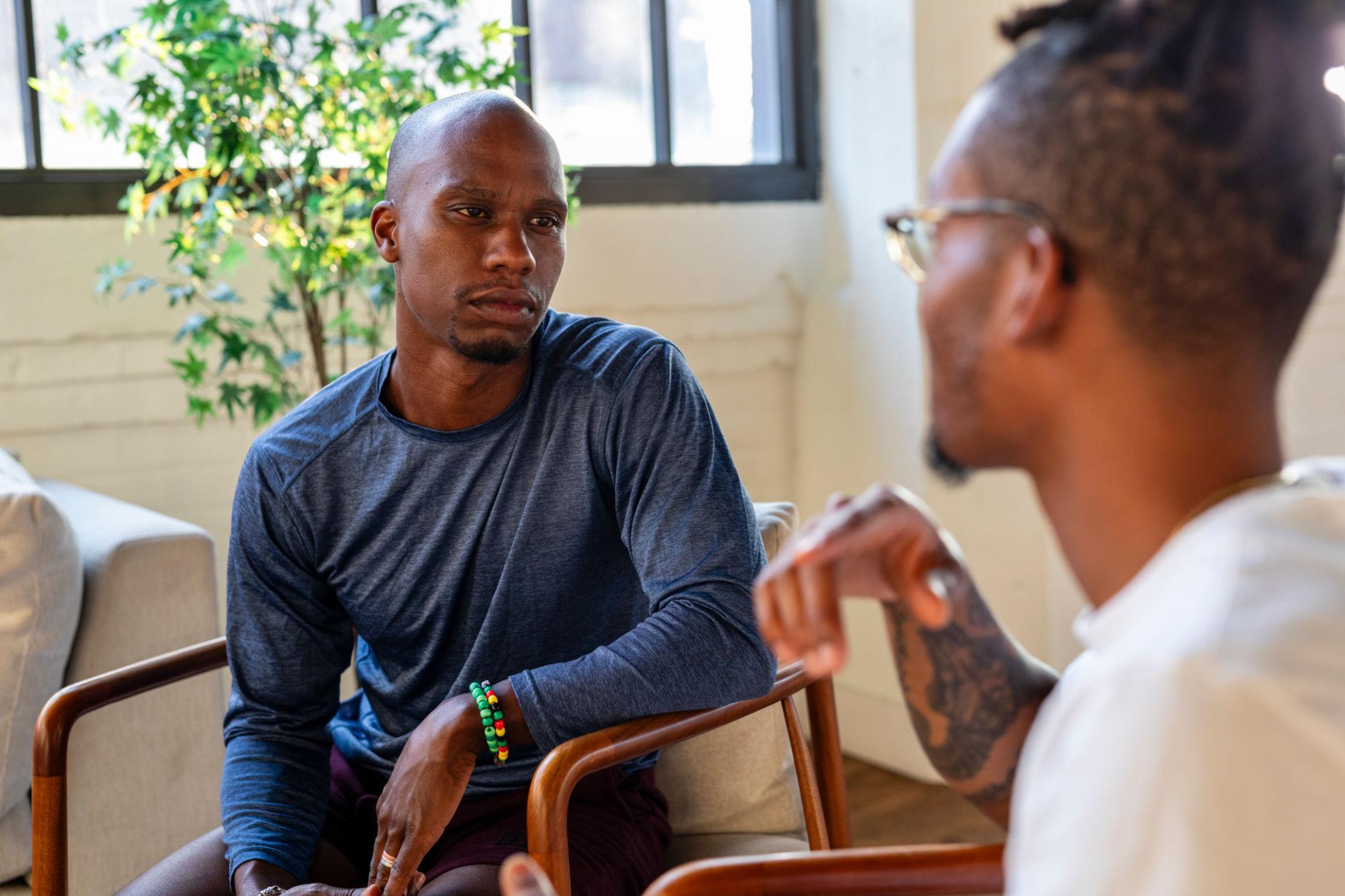
“He’s been called angry, resistant, and unmotivated. What if those labels missed the real story?”
A young Black man walks into his first therapy appointment after years of surviving community violence, financial hardship, and personal loss. He answers questions cautiously and struggles to trust the person across from him. His guarded demeanor is quickly mistaken for resistance instead of what it may actually be: a survival response.
Too often, community mental health begins with the wrong question. Instead of asking, “What happened to this person?” our systems have historically asked, “What’s wrong with them?” For many Black and Brown communities, that distinction matters. Therefore, if we want healthier communities, we must rethink not only how we deliver mental health services but also how we define healing itself.
What Is Community Mental Health?
Community mental health recognizes that emotional wellbeing is shaped by more than individual choices or diagnoses. It reflects the conditions in which people live, work, learn, worship, and build relationships.
However, generations of structural inequities have exposed many Black and Brown communities to higher rates of trauma, violence, housing instability, discrimination, and limited access to quality healthcare. These experiences influence both mental and physical health. According to the American Psychological Association and the National Alliance on Mental Illness, chronic stress and trauma increase the risk of depression, anxiety, substance use disorders, heart disease, and other chronic illnesses.
Why Community Mental Health Requires a Different Approach
Historically, mental healthcare has not always recognized the lived experiences of underserved communities. As a result, trauma responses have sometimes been misunderstood, cultural differences overlooked, and barriers to care underestimated.
Mental health cannot be separated from the environments people return to after treatment. A counseling session cannot eliminate food insecurity, unsafe neighborhoods, unemployment, or social isolation. Even so, these realities shape whether healing continues long after an appointment ends.
That is why GRO Community believes healing requires more than counseling. It requires opportunity, connection, safety, and trust.
How Community Mental Health Builds Stronger Communities
Healing becomes sustainable when communities create environments that support wellbeing.
For example, trauma-informed and culturally responsive care recognizes the impact of lived experiences while respecting cultural identity and community strengths. In addition, mentorship programs, youth development, workforce opportunities, safe recreational spaces, and faith communities all contribute to healthier outcomes.
These investments strengthen resilience because they address both the symptoms and the underlying conditions that influence mental health.
Learn more about our therapy support services and how we help individuals and families build lasting wellness.
Who Benefits from Community Mental Health?
Everyone benefits when communities prioritize mental wellness.
Children thrive when they grow up with emotionally healthy adults. Parents develop stronger relationships when they have access to support. Employers benefit from healthier, more engaged workforces. Neighborhoods become safer when people have opportunities to heal rather than simply survive.
Meanwhile, communities that invest in prevention often reduce the long-term social and economic costs associated with untreated mental health conditions.
Why Community Mental Health Creates Lasting Change
For decades, mental health has largely been measured by what happens inside the therapy room. While clinical care remains essential, it is only one part of a much larger picture.
Research continues to demonstrate that health outcomes are shaped by far more than access to healthcare alone. Safe neighborhoods, stable housing, educational opportunities, meaningful employment, strong social connections, and exposure to chronic stress all influence a person’s ability to heal and thrive. If these factors remain unaddressed, even the most effective clinical interventions face significant challenges.
This is why community mental health deserves greater attention. Rather than viewing healing as an individual responsibility, a community mental health approach recognizes that families, schools, employers, faith communities, healthcare providers, and policymakers all influence wellbeing. Each has a role in creating environments where people can recover from adversity and build resilience.
Shifting our focus from treating symptoms to strengthening communities does not diminish the importance of therapy. Instead, it expands our understanding of what supports lasting mental wellness. When communities invest in prevention, connection, opportunity, and culturally responsive care, they create conditions where healing can extend beyond the therapist’s office and become part of everyday life.
Healing Happens Here
Ultimately, community mental health asks us to rethink what healing really means. Healing is not simply the absence of illness. It is the presence of hope, opportunity, connection, and communities that help people thrive.
At GRO Community, we believe every person deserves access to culturally responsive, trauma-informed care that recognizes both their challenges and their strengths. When we invest in people, families, and neighborhoods together, healing extends far beyond the therapy office.
If you’re ready to learn more about GRO Community’s approach, schedule a consultation and discover how we can help build healthier individuals, stronger families, and more resilient communities.

