Youth impacted by the justice system often face far more than legal challenges. Many young men are navigating trauma, community violence, disrupted support systems, and limited access to culturally responsive care.
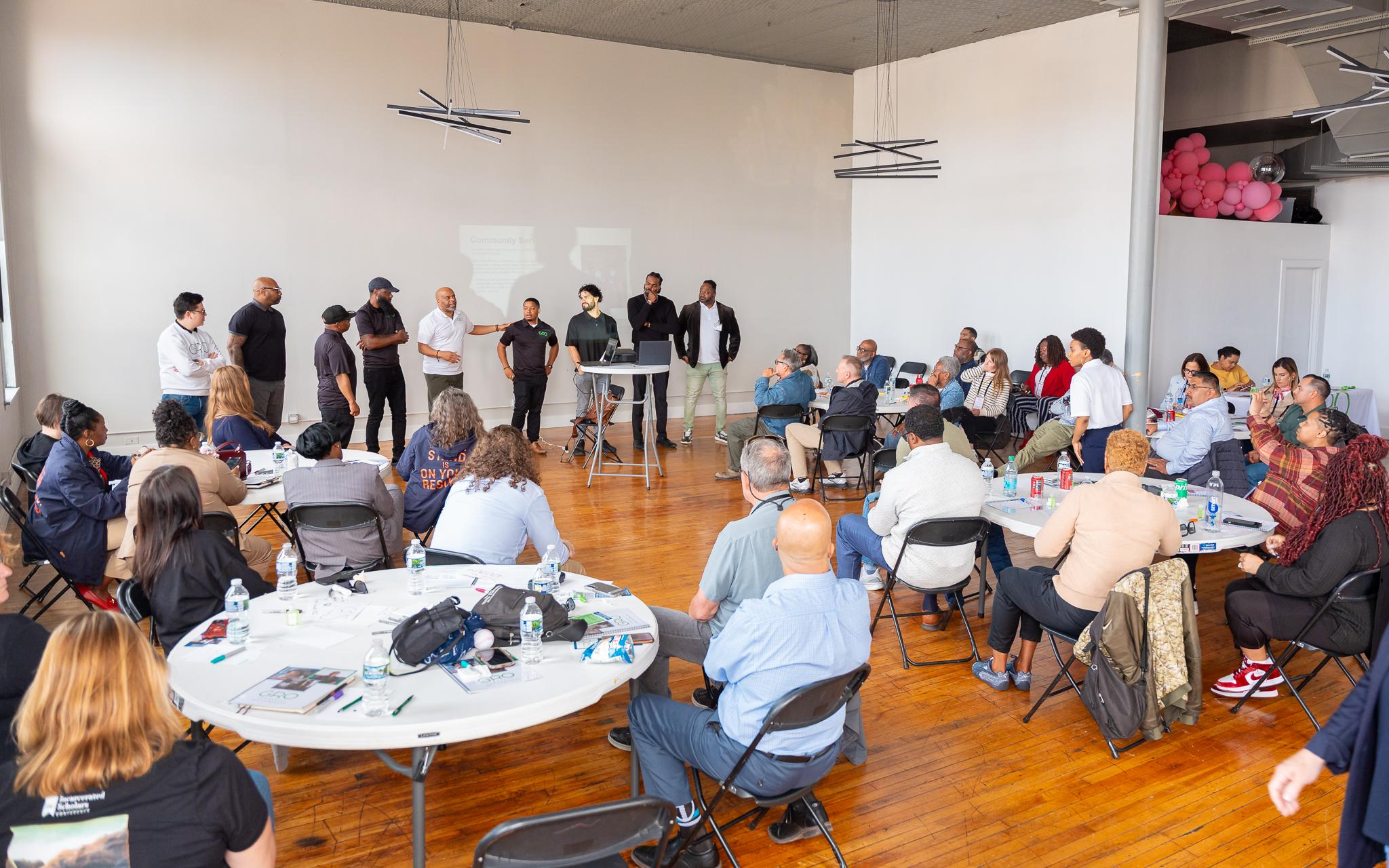
That’s why GRO Community, in partnership with the Annie E. Casey Foundation, recently brought together probation professionals, mental health providers, advocates, and community organizations from across the country for a collaborative conversation focused on healing-centered approaches to juvenile justice. The gathering created space for leaders across sectors to share strategies, discuss challenges, and explore how stronger community-based partnerships can better support boys and men impacted by the justice system.
We don’t always feel “hopeful” discussing juvenile youth, but the leaders who attended this mental health event emphasized that real change requires more than supervision and compliance; it requires connection, accountability, culturally responsive care, and deeper investments in communities.
“The real magic is the passion that lies in this room,” said Dante Green, Program Associate for the Annie E. Casey Foundation. “Because without passion, change is almost unachievable. Also, sustainability is key to this work. What I’ve seen from the leaders in this room is people who show up constantly despite the retraction of so-called progress that has been made over the years. And so passion is extremely important.”
Participants also reflected on the importance of creating spaces where professionals across sectors can learn from one another while remaining accountable to the communities they serve.
“Seeing all of the different people from across the U.S. and different sectors is so inspiring,” said Sarah Emmert, Community Organizer and Advocate in Santa Cruz, CA. “It’s creating a sense of family and of community justice. We are learning from each other, challenging each other, and sharing accountability.”
There aren’t many opportunities to engage in small group discussions across sections, cities and organizations on how our collaborative efforts can improve the mental well-being of justice-involved youth and solve a real social problem.
Nico Novillo, Mental Health Specialist in GRO Community’s First Time Weapon Offender Program, said, “I feel good about today. We were able to collaborate and bounce ideas off of each other and understand the difference between legislation and cultural differences that happen between cities. We’re seeing the differences and similarities in service of care and strategies, but what’s important is that we all have one mindset around changing the opportunities for the youth of tomorrow.”
As GRO Community continues expanding its work in behavioral health and community-based intervention, conversations like these remain essential to advancing healing-centered solutions that support boys, men, and families most impacted by trauma and systemic inequities.